October 21, 2026
A malfunctioning commercial garage door can interrupt deliveries, delay employees, and leave valuable inventory or equipment exposed. Knowing how to respond helps businesses reduce downtime while protecting people and property. When a door stops working unexpectedly, the priorities are to assess the situation safely, identify possible causes without attempting dangerous repairs, and contact a qualified technician. A prompt response to an emergency commercial garage door repair need can help restore access and prevent a minor problem from becoming a larger operational disruption.
Assess the Situation and Protect the Area
Prioritize Safety Before Inspecting the Door
Before investigating a malfunction, keep employees, customers, and visitors away from the affected area. A commercial garage door can weigh hundreds of pounds, and damaged components may cause it to fall or move unexpectedly. If the door appears unstable, is hanging unevenly, or has come off its tracks, do not attempt to operate it. Disconnecting power may be appropriate in some circumstances, but only if it can be done safely without approaching hazardous components.
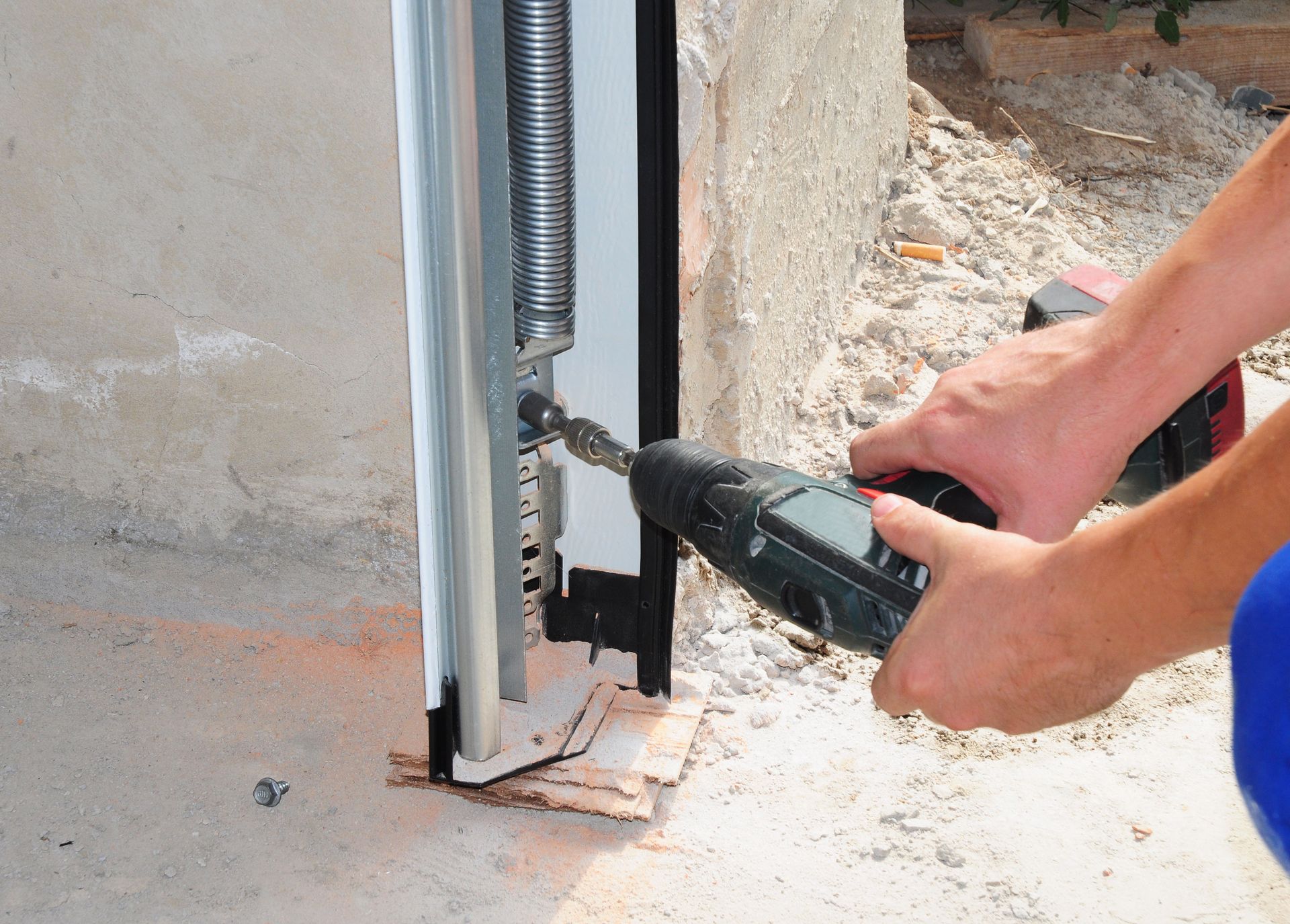
Never attempt to adjust springs, lift cables, or other high-tension hardware. These components can release considerable force and cause serious injuries. Instead, secure the surrounding area and arrange for professional emergency commercial garage door repair. Keeping people clear of the malfunction also gives technicians the space they need to assess the system safely.
Identify Visible Signs of Damage
A brief visual inspection from a safe distance may reveal what went wrong. Look for bent tracks, damaged panels, loose hardware, frayed cables, or gaps that suggest the door has shifted out of alignment. Listen for unusual grinding or popping sounds, and note whether the opener responds when activated. Avoid touching damaged components or repeatedly operating the door to reproduce a problem.
According to WifiTalents (2026), 65% of garage door repairs are due to broken extension or torsion springs. This statistic highlights the importance of recognizing potential spring problems without trying to fix them independently. If a spring appears broken or the door suddenly becomes unusually heavy, stop using the system and contact a professional.
Record Important Details
Document when the malfunction occurred, what the door was doing beforehand, and whether there were warning signs such as unusual noises or inconsistent movement. If it is safe, photograph visible damage from a distance. Record the door's manufacturer, model, and recent maintenance history if those details are readily available. Providing this information helps a technician prepare for the visit and determine which components may require inspection or replacement.
Identify Common Problems Without Risky Repairs
Check for Power and Control Issues
Some commercial garage door problems originate with the power supply or control system rather than the door's mechanical components. If there are no signs of structural damage, check whether other equipment in the area has power and whether a circuit breaker has tripped. Inspect the wall control for obvious damage and note any warning lights on the opener.
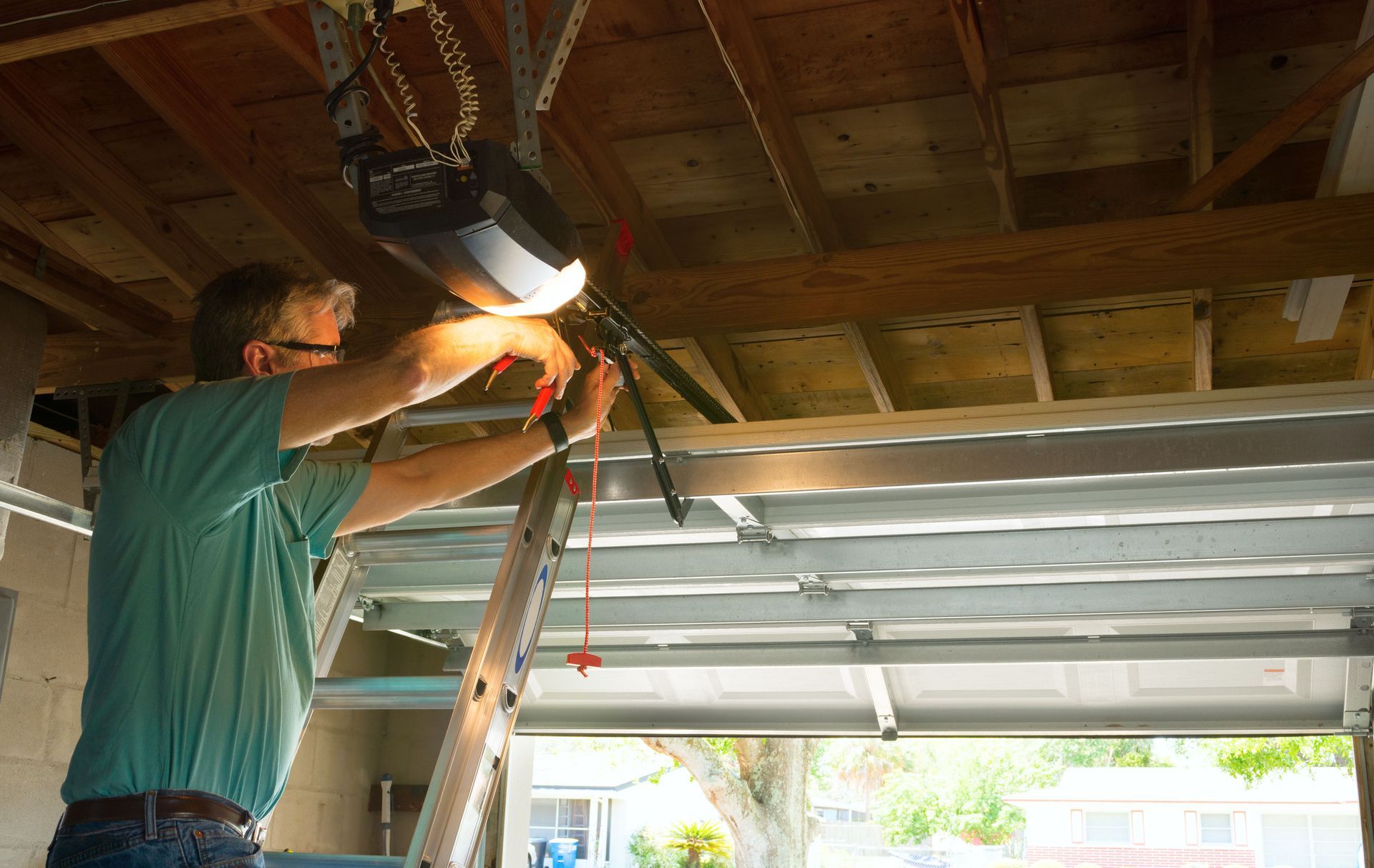
Only perform basic checks that do not require opening electrical equipment or handling exposed wiring. If the breaker trips repeatedly, the opener smells burnt, or electrical components appear damaged, leave the system alone and request professional assistance. An emergency commercial garage door repair technician can determine whether the issue involves the motor, wiring, control panel, or another component.
Look for Obstructions and Sensor Problems
Debris, packaging materials, and misplaced equipment can interfere with a door's movement. From a safe position, check whether anything is blocking the tracks or the sensor area. If the door is fully stationary and stable, removing an easily accessible obstruction may resolve a simple operating issue. Never reach beneath a suspended door or attempt to clear debris from damaged tracks.
Misaligned or dirty photoelectric sensors can also prevent an automatic door from closing. Look for visible obstructions near the sensors and check whether their indicator lights suggest a problem. Follow the manufacturer's basic cleaning instructions only when the area is safe to access. If the door continues reversing or refusing to close, leave the safety system intact and have a technician investigate.
Recognize Mechanical and Structural Failures
Damaged rollers, worn cables, broken springs, bent tracks, and failing openers can all prevent a commercial door from operating correctly. These problems may become apparent when the door moves unevenly, makes unfamiliar noises, or stops partway through its cycle. However, similar symptoms can have different causes, so visual observations alone may not establish the underlying fault.
Avoid forcing the door open, adjusting track hardware, or attempting improvised repairs. Professional emergency commercial garage door repair provides a safer way to diagnose mechanical failures and determine whether the system can be restored immediately or needs more extensive work.
Contact a Qualified Commercial Garage Door Technician
Choose a Provider With Commercial Experience
Commercial doors often differ from residential systems in their size, operating frequency, hardware, and safety requirements. Look for a repair provider experienced with the type of door installed at your facility, whether it is a sectional overhead door, rolling steel door, or another commercial system. Confirm that the company handles urgent service calls and ask about its estimated response time.
When comparing providers, consider experience, communication, service availability, and the clarity of their repair recommendations. The lowest initial estimate is not always the best option if the provider lacks the expertise needed to address the actual problem.
Explain the Problem Clearly
When scheduling emergency commercial garage door repair, explain whether the door is stuck open, stuck closed, partially lowered, or unable to respond to its controls. Mention any visible damage, unusual sounds, recent impacts, or suspected spring failures. Tell the provider whether the malfunction is blocking deliveries, restricting vehicle access, or leaving the building unsecured.
Share photographs and maintenance records when available. Clear information can help the technician prepare appropriate tools and replacement components, reducing unnecessary delays once the inspection begins.
Discuss Timing, Costs, and Repair Options
Ask whether the quoted service includes emergency call-out fees, diagnostic work, labor, and replacement parts. The final cost will depend on the problem, the door's design, the parts required, and the complexity of the repair. Request an explanation of any additional charges before approving work whenever circumstances allow.
A technician should explain the diagnosis, recommended repairs, and any limitations affecting the expected completion time. Some problems can be resolved during the initial visit, while extensive structural damage or specialized parts may require additional work. Understanding the available options helps business owners make informed decisions without compromising safety.
Prevent Future Commercial Garage Door Emergencies
Schedule Routine Inspections and Maintenance
Regular professional maintenance can identify worn rollers, deteriorating cables, damaged springs, loose hardware, and opener problems before they cause an unexpected shutdown. The appropriate maintenance schedule depends on the door's design, age, operating frequency, and working environment. High-use commercial doors may require more frequent inspections than systems used occasionally.
Technicians can assess the door's balance, inspect safety features, lubricate appropriate moving components, and identify parts approaching the end of their service life. Addressing these concerns early can reduce the likelihood of emergency commercial garage door repair and help extend the equipment's useful life.
Train Staff and Establish Emergency Procedures
Employees should know how to recognize warning signs, report malfunctions, isolate unsafe areas, and contact the appropriate service provider. They should also understand which actions are prohibited, including adjusting springs, handling damaged cables, or forcing a jammed door to move.
Maintain accessible records of the door's specifications, previous service visits, warranty information, and emergency contacts. A documented response plan makes it easier to coordinate repairs and protect employees when an unexpected failure occurs.
Restore Safe, Reliable Access to Your Business
A commercial garage door failure requires a measured response that puts safety first and minimizes disruption. By securing the area, documenting visible symptoms, identifying simple power or obstruction issues, and contacting an experienced technician, businesses can address urgent problems without taking unnecessary risks. Routine maintenance and clear emergency procedures can also reduce the chance of future breakdowns.
When a malfunction threatens your building's security or daily operations, contact Rainier Pacific Garage Doors Inc. for professional assistance. Prompt attention to an emergency commercial garage door repair need can help protect your property, restore reliable access, and get your business back on track.