November 18, 2026
Fire-drop doors play an important role in protecting commercial buildings by helping limit the spread of fire and smoke between designated areas. These specialized doors are designed to close automatically when activated by an appropriate detection or release system, creating a barrier that supports a building's fire protection strategy. Proper selection, installation, and maintenance are essential to ensure that fire doors operate as intended during an emergency.
Understanding the Purpose of Fire-Drop Doors
Fire-drop doors are designed to close an opening automatically when a fire-related activation system releases them. Unlike standard commercial garage doors, which are typically operated by a motor or manual controls, fire-drop doors may use a controlled
-release mechanism that allows the door to descend when triggered.
These doors are commonly used in commercial and industrial buildings where large openings connect different sections of a facility. They can help separate storage areas, production spaces, corridors, and other locations that require additional fire protection.
A commercial garage door installer should understand how these specialized systems differ from standard overhead doors. Fire-drop doors must be compatible with the building's fire protection requirements and installed in accordance with the manufacturer's specifications. Their purpose is not simply to provide access or security but to help maintain designated fire-rated separations during an emergency.
Identifying Appropriate Locations for Fire-Drop Doors
Determining where fire-drop doors are needed requires an understanding of the building's layout, occupancy, and fire protection plan. Certain openings may need additional protection because they connect areas with different uses or create pathways through which fire and smoke could spread.
Common locations where fire-rated door assemblies may be considered include:
- Warehouse openings: Large openings between storage sections may require fire-rated protection depending on the building's design and applicable codes.
- Manufacturing facilities: Production areas may use specialized doors to separate work zones and help protect adjacent spaces.
- Commercial kitchens: Certain openings may require fire-rated assemblies to help maintain separation between cooking areas and other parts of a building.
- Loading and service areas: Large openings connecting interior spaces may require additional protection per the facility's fire safety requirements.
A qualified commercial garage door installer can review the opening dimensions and intended use when helping a business select an appropriate commercial door. However, building owners should also consult the fire protection professional or authority having jurisdiction to confirm where rated assemblies are required and which specifications apply.
Selecting Suitable Fire-Drop Door Systems
Not all commercial doors provide the same level of protection. Fire-drop doors must be specifically designed and listed for their intended application. Selecting an appropriate system involves reviewing the opening size, fire rating, operating mechanism, and installation requirements.
Some fire doors use fusible links that release when exposed to a specified temperature. Other systems may connect to an approved fire alarm or detection system. The correct configuration depends on the door's design, the building's fire protection plan, and applicable requirements.
When evaluating available systems, property owners should consider:
- Fire rating: Confirm that the door assembly has the required rating for its intended location.
- Opening dimensions: Make sure the selected system is designed for the opening's width and height.
- Release mechanism: Understand how the door is activated and what components control its movement.
- Operating environment: Consider exposure to moisture, temperature changes, dust, and frequent activity.
- Manufacturer requirements: Review the specifications for installation, testing, and ongoing maintenance.
According to Research and Markets, the U.S. garage door market was estimated at approximately $3.36 billion in 2023. This figure reflects the significant demand for garage door products across residential and commercial applications, including specialized systems designed for different building needs.
Ensuring Proper Installation and Alignment
Correct installation is essential for ensuring that a fire-drop door operates reliably. The tracks, brackets, guides, release components, and other hardware must be installed according to the manufacturer's instructions. Improper alignment or incorrect mounting can interfere with the door's movement and prevent it from closing as designed.
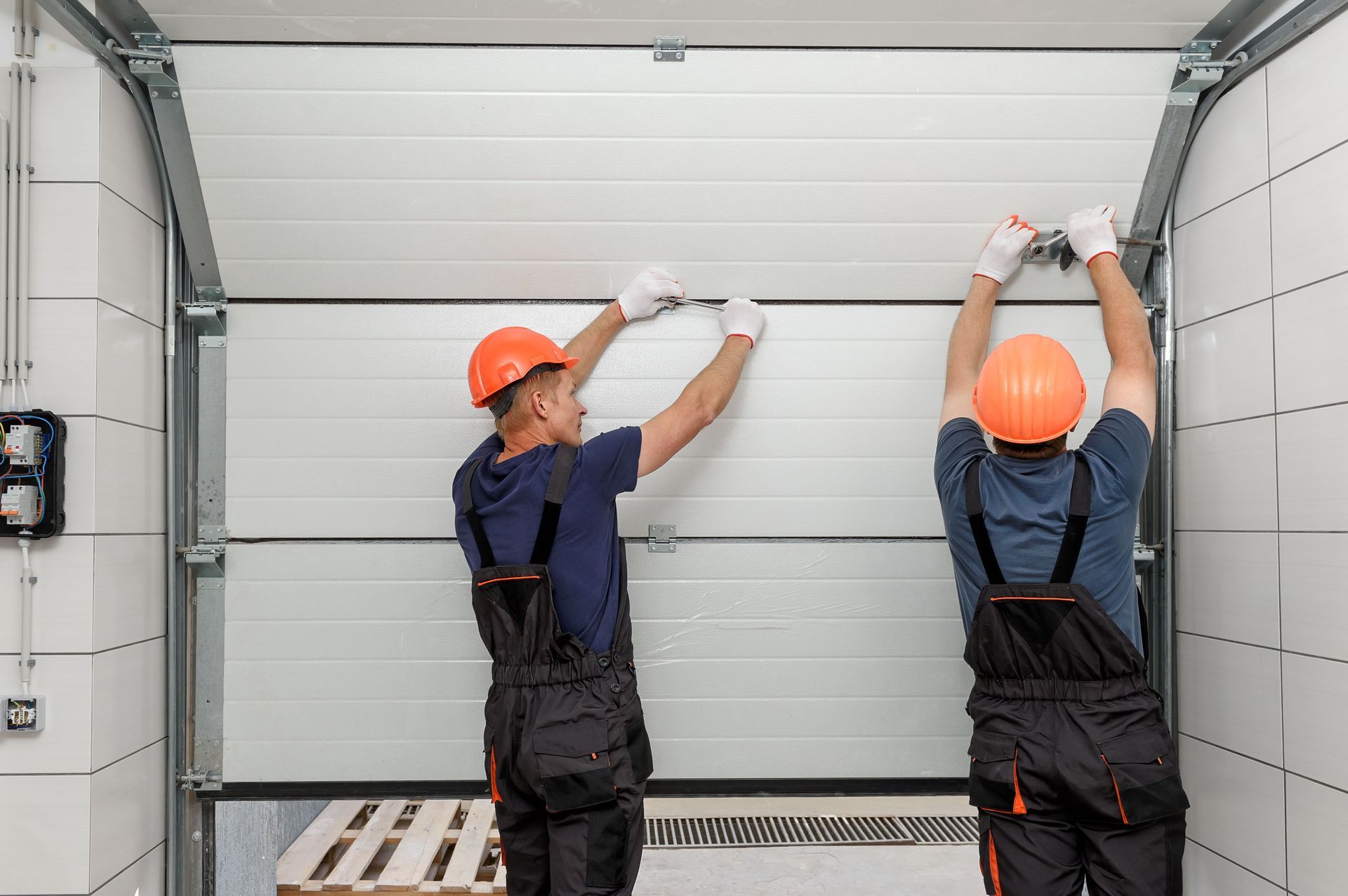
A commercial garage door installer should evaluate the opening before installation begins. This includes checking the surrounding structure, measuring the opening, and identifying any obstructions that could affect the door's operation. The installer must also account for the space required by the door assembly and its operating components.
Once installed, the system should be inspected and tested in accordance with the manufacturer's instructions and applicable fire safety requirements. Testing should verify that the release mechanism functions correctly and that the door closes without interference. Any connections to fire alarm or detection systems should be handled and verified by appropriately qualified professionals.
Maintaining Reliable Fire-Drop Door Operation
Fire-drop doors require ongoing attention because their emergency function may not be used regularly. A system can appear functional during everyday operations but still have problems that prevent it from closing correctly when activated.
Routine inspections can help identify issues before they affect performance. Property managers should follow the manufacturer's maintenance schedule and applicable inspection requirements while keeping records of completed service and testing.
Important components to monitor include:
- Tracks, guides, and mounting hardware for damage or obstruction.
- Release mechanisms and fusible links for proper condition.
- Door panels and connections for visible wear or damage.
- Closing movement to ensure the door can descend without interference.
- Alarm or detection connections, where applicable, to confirm proper coordination.
A commercial garage door installer familiar with commercial door systems can help identify mechanical concerns and determine when repairs are necessary. Businesses should never disable a release mechanism, obstruct the door's path, or make unauthorized adjustments to improve convenience. Any work involving fire-rated components should follow the manufacturer's requirements and applicable codes.
Coordinating Fire-Drop Doors With Daily Operations
Commercial facilities need fire protection systems that work without unnecessarily disrupting normal business activities. Fire-drop doors should be positioned and configured to support the building's layout while maintaining the required separation between designated areas.
Employees should understand where these doors are located and how they operate. Training can help prevent workers from placing inventory, carts, equipment, or other objects in the door's path. Property managers should also establish procedures for responding to unexpected door activation and reporting problems.
When planning a new installation or replacement, businesses should consider how the door will affect vehicle movement, pedestrian routes, and material handling. A commercial garage door installer can help evaluate the opening and recommend a suitable commercial door configuration based on the facility's operational needs.
Choosing Experienced Commercial Door Professionals
Fire-drop door systems require specialized attention because their performance is connected to building safety. Property owners should work with professionals who understand commercial door assemblies, manufacturer specifications, and the importance of proper installation and maintenance.
Before scheduling a project, ask about the contractor's experience with commercial doors, available product options, installation procedures, and maintenance capabilities. It is also important to clarify which aspects of the project require coordination with fire protection specialists or other qualified trades. A knowledgeable commercial garage door installer can help evaluate the opening, identify suitable door systems, and explain the installation requirements for the selected product.
Rainier Pacific Garage Doors Inc provides commercial garage door installation, repair, and maintenance services throughout the Greater Puget Sound area. Its commercial product offerings include rolling steel doors and fire door products, giving businesses options for different facility requirements.
Supporting Safer Commercial Building Operations
Fire-drop doors are an important part of a building's overall fire protection strategy. Selecting the correct system, ensuring proper installation, and maintaining its release and closing components can help support reliable operation during an emergency. Property owners should also coordinate door requirements with qualified fire protection professionals and keep access areas clear.
An experienced commercial garage door installer can help ensure that the door assembly is properly fitted and that its mechanical components operate according to manufacturer specifications. For commercial garage door installation, repairs, or maintenance, contact Rainier Pacific Garage Doors Inc. to discuss your facility's door requirements and available commercial solutions.