November 17, 2026
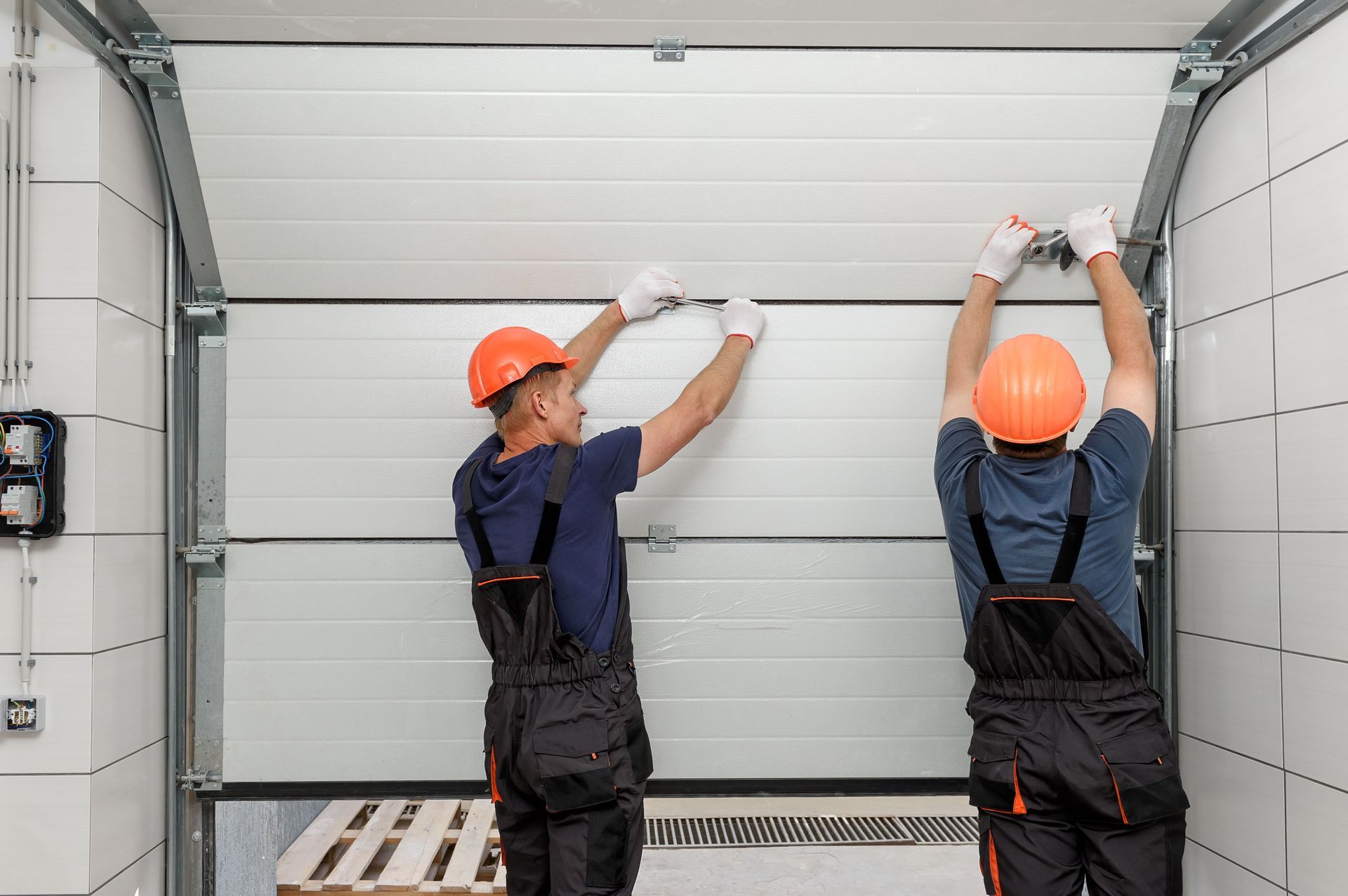
Accurate clearance measurements are essential to a safe, reliable garage door installation. Even a door that appears to fit the opening may not operate correctly if there is insufficient room for the tracks, springs, opener, or other hardware. A dedicated local garage door installer evaluates the entire garage opening and surrounding structure before recommending a door system, helping prevent fit problems and unnecessary adjustments during installation.
Evaluating the Garage Door Opening
The first step is measuring the garage door opening itself. A local garage door installer typically begins by checking the width and height of the opening at several points. These measurements help determine the appropriate door size and reveal whether the opening is square and consistent.
The width is measured horizontally between the inside edges of the finished jambs. The height is measured vertically from the finished floor to the underside of the header. Measuring at more than one location is important because older garages may have uneven framing or slightly sloping floors.
If the opening is inconsistent, the installer must account for the differences when planning the installation. A door that is too wide or too tall may not fit properly, while one that is too small can leave gaps that affect security, weather protection, and appearance.
Measuring the Headroom Above the Opening
Headroom refers to the available space between the top of the garage door opening and the ceiling or nearest overhead obstruction. This area must accommodate the horizontal tracks, springs, and related hardware that allow the door to move between its open and closed positions.
A local garage door installer measures this clearance carefully because different door systems have different headroom requirements. Standard track configurations may require more overhead room than low-headroom systems, which are designed for garages with limited space.
During this measurement, the installer checks for potential obstructions, including:
- Ceiling joists and support beams.
- Lighting fixtures and electrical equipment.
- Existing garage door opener components.
- Pipes, ducts, and other overhead utilities.
If the available headroom is limited, the installer can evaluate whether an alternative track configuration or compatible door system would be more appropriate. The goal is to ensure that the door can travel smoothly without interfering with the ceiling or surrounding equipment.
Checking the Sideroom Along the Jambs
Sideroom is the space available on either side of the garage door opening. This clearance is needed for vertical tracks, brackets, cables, and other hardware that support the door as it moves. Measuring only one side is not sufficient because the framing or available space may differ from one side to the other.
An experienced local garage door installer measures from the inside edge of each opening to the nearest wall or obstruction. The installer also checks whether the jambs provide suitable mounting surfaces for the track brackets and related components.
Several conditions can affect the available sideroom:
- Uneven or protruding wall surfaces.
- Shelving and storage systems installed near the opening.
- Electrical outlets, switches, and wiring.
- Structural supports or wall-mounted equipment.
If there is insufficient space for a standard track arrangement, the installer may need to consider an alternative configuration. Identifying these limitations before installation helps prevent delays and ensures that the selected hardware can be mounted securely.
Inspecting the Backroom for Door Travel
Backroom clearance refers to the distance from the garage door opening to the back wall of the garage. This space must be sufficient for the door to move fully into its horizontal position when opened. The required distance depends on the door's height, track configuration, and other installation specifications.
A local garage door installer measures this area to ensure the door panels have enough clearance to move without striking storage units, vehicles, workbenches, or other objects. The installer also considers the placement of the opener and its supporting hardware.
Insufficient backroom can prevent a garage door from opening completely or interfere with the opener's operation. In some cases, adjustments to the track arrangement or opener placement may help address the limitation. However, the selected configuration must remain compatible with the door system and manufacturer requirements.
Assessing the Floor and Doorway Conditions
The garage floor and surrounding framing can affect how well a new door fits and seals. Even when the opening dimensions are correct, an uneven floor may create gaps beneath the closed door. These gaps can allow water, debris, pests, and outside air to enter the garage.
During the measurement process, the installer checks the floor along the width of the opening. The condition of the bottom seal and the surface where the door will close are also considered. If the floor slopes or has significant irregularities, the installer can determine whether a compatible bottom seal or other adjustments are needed.
The jambs and header should also be examined for damage, rot, or signs of structural weakness. Tracks and mounting brackets require stable surfaces, so damaged framing may need attention before installation begins. A local garage door installer can identify these concerns during the initial assessment and explain what preparation may be necessary.
Accounting for Springs, Tracks, and Opener Hardware
Clearance measurements must account for more than the door panels. Springs, cables, tracks, brackets, and opener components all occupy space around the opening and influence how the system operates. Their placement depends on the door's size, weight, construction, and selected hardware.
Torsion springs, for example, are commonly installed above the opening and require adequate space for the shaft, brackets, and related components. Extension spring systems have different installation requirements. The installer must also determine where the opener will be mounted and whether the ceiling provides suitable support.
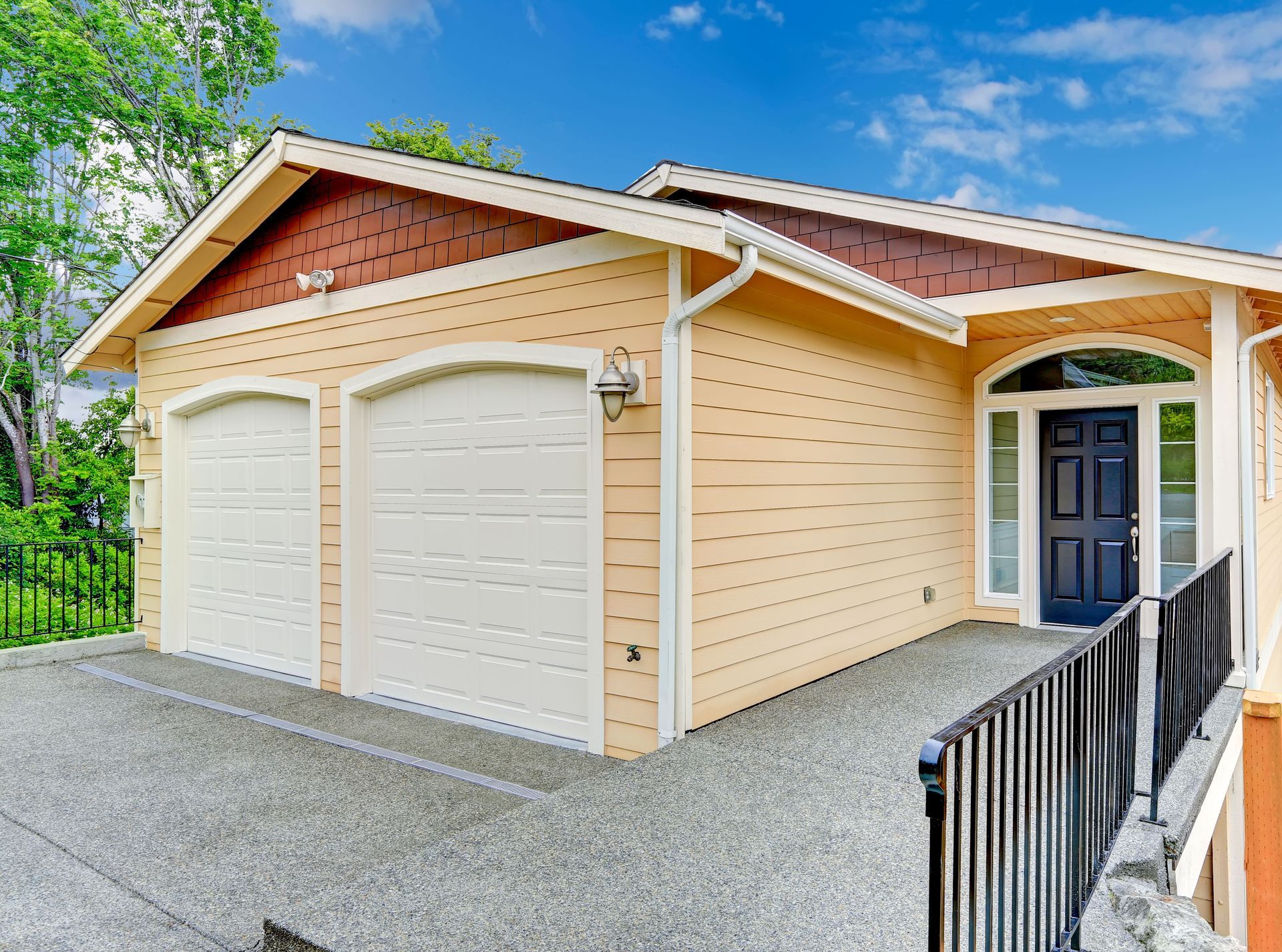
According to Bob Vila, approximately 70% of Realtors surveyed believe that installing a new garage door can help a home sell faster and for more money. This finding highlights the potential value of a well-planned upgrade, but proper measurements remain essential to achieving a finished result that looks good and functions reliably.
Verifying Measurements Before Installation
Before ordering or installing a garage door, the installer reviews the measurements and compares them with the requirements of the selected door system. This final verification helps catch inconsistencies that could otherwise lead to fit issues, hardware conflicts, or installation delays.
A thorough measurement review should account for:
- Opening width and height.
- Headroom above the opening.
- Sideroom on both sides.
- Backroom depth.
- Floor level and jamb condition.
- Track, spring, and opener requirements.
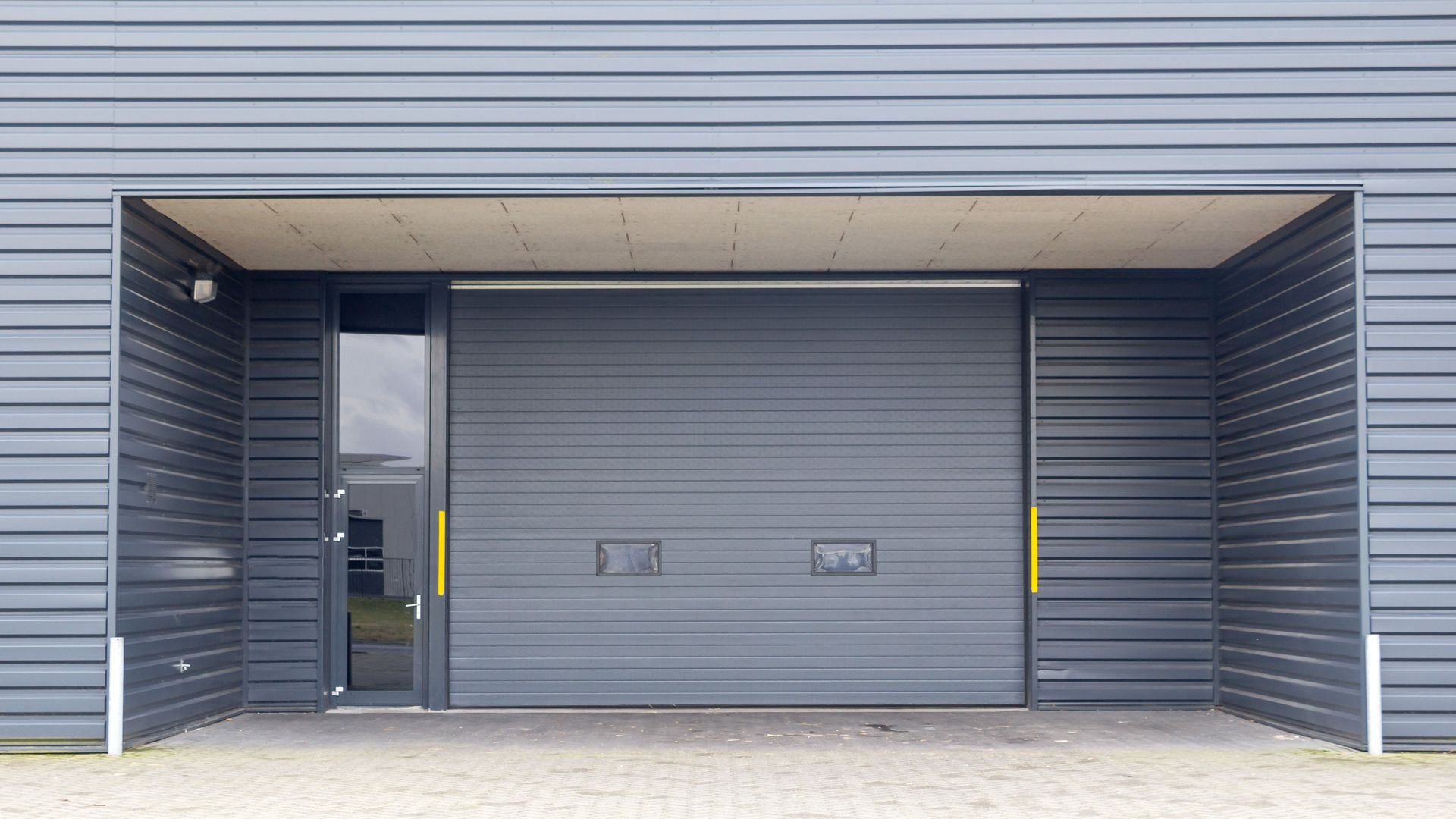
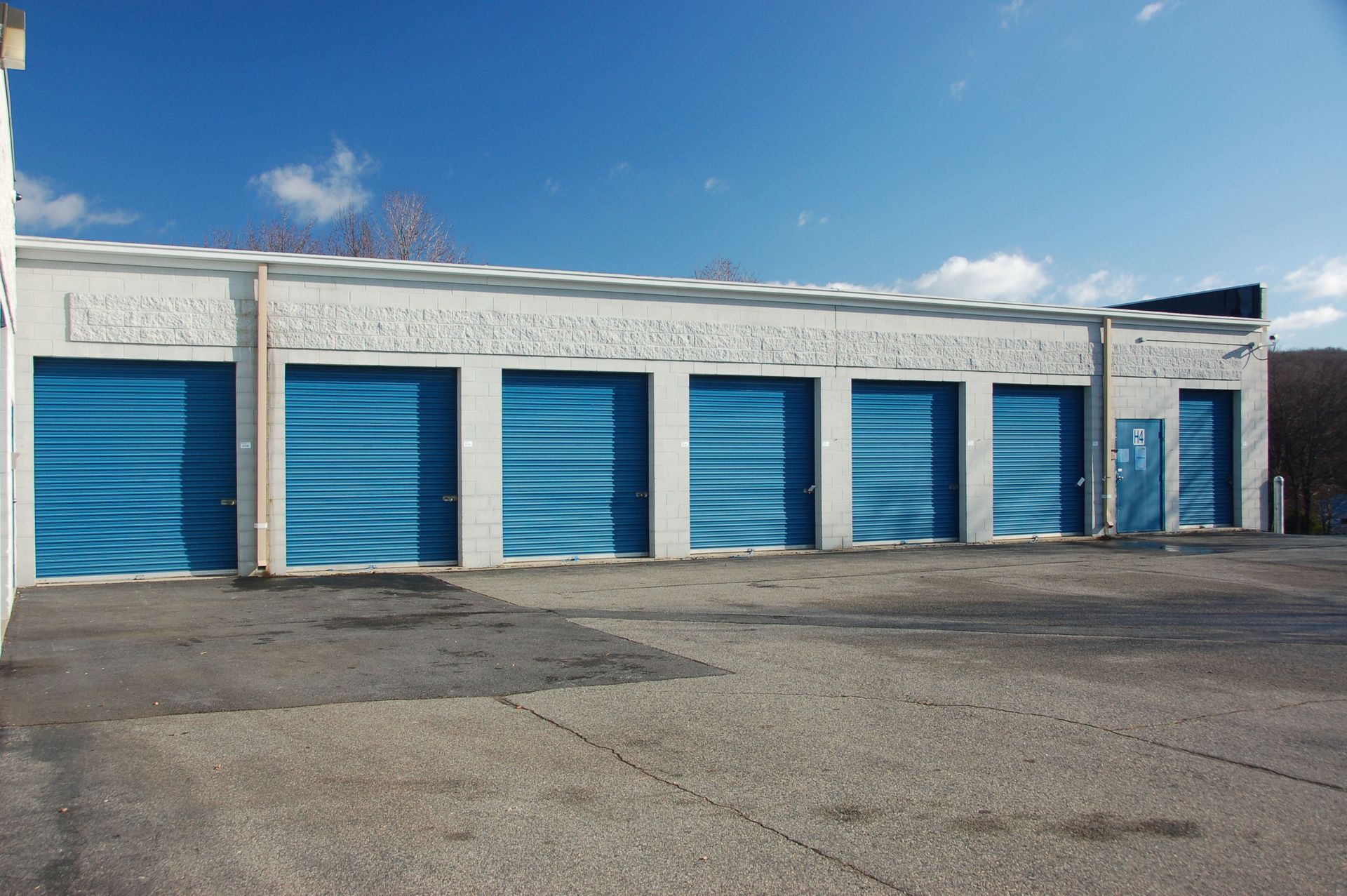
A dedicated local garage door installer also considers the intended use of the garage. Residential and commercial doors can have different sizes, construction requirements, and hardware configurations. Rainier Pacific Garage Doors Inc. provides residential and commercial garage door installation, along with garage door opener installation and repair services. Its technicians evaluate the existing structure and confirm that mounting areas are suitable before beginning installation.
Preparing for a Properly Fitted Garage Door
Measuring clearances is a detailed process that helps determine whether a garage door can be installed safely and operate as intended. Checking the opening, headroom, side room, back room, and surrounding structure gives installers the information needed to select compatible doors and hardware.
Working with a qualified local garage door installer also helps property owners identify potential obstacles before they become costly installation problems. For professional garage door installation, repairs, and maintenance, contact Rainier Pacific Garage Doors Inc. to schedule an estimate.